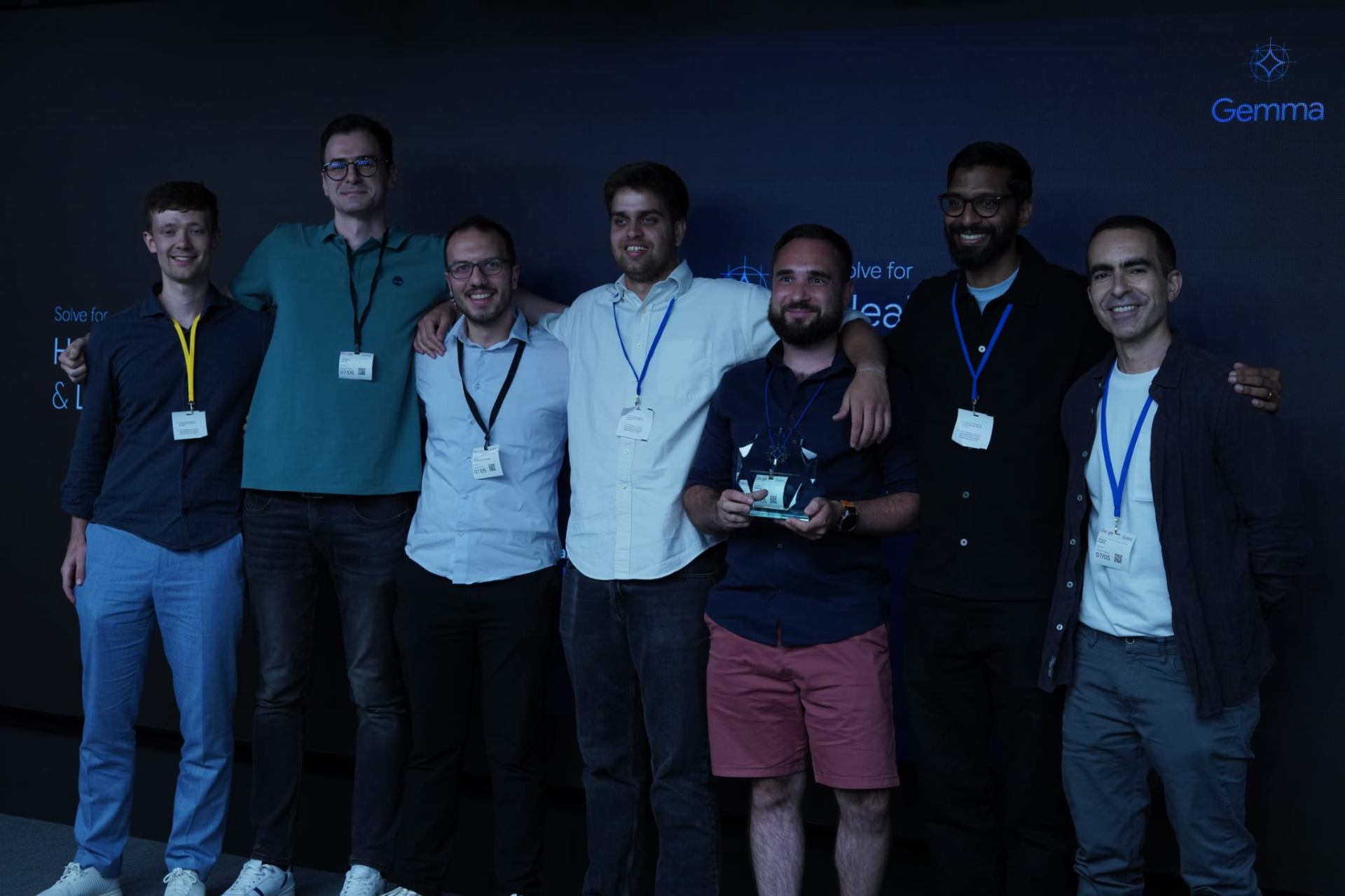
1st · Paris · 2025
Google Gemma Hackathon
1st Place — POIG (Precision Oncology Interface Gemma). Team: Arun Nadarasa, Jonas Gottal, Juraj Vladika, Mohamad Ammar Said, Nathan Brahmbhatt, William Gehin.
 CAIQ
CAIQA 4-hour vibe-coding sprint where dancers, musicians, theatre-makers and visual artists build with AI and quantum tools on Lovable — entirely from their mobile phone.
StreetKode is bridging the gap between India's creative industries and frontier technology — AI, quantum and Web3 — through hands-on, artist-first hackathons.
Lovable is the exclusive build platform. Describe what you want, watch it ship — no install, no setup.
Quantinuum's Selene simulator and Guppy language run inside Lovable's Linux sandbox. Real quantum circuits, zero hardware.
Wire up agents that compose, choreograph, paint or stage — your creative voice, multiplied.
Deploy smart contracts (Solidity / Hardhat / Foundry) from the same Lovable Linux sandbox. NFT drops, stablecoin tip jars, on-chain ticketing — all from your phone.
Build teleoperation apps that put a human in the loop. Control robots remotely with the Adamo stack — no lab required.
The creative industry is moving through four modes at once. Here's the map — no jargon.
People talking to people. Email, DMs, in-person meetings.
A choreographer briefs a dancer.
Trust, craft — the baseline everything else builds on.
You instruct an AI agent. Prompting, vibe coding, creative tools.
A musician asks an agent to draft lyrics or generate a stem.
Solo artists moving at studio speed.
An agent reaches out to you. Notifications, recommendations, proactive nudges.
An agent DMs a fan when the artist drops a track that matches their taste.
Personal, always-on audience engagement.
Agents negotiating with other agents. Discovery, checkout, licensing, payment — no humans in the loop.
A venue's booking agent negotiates a fee with an artist's manager agent, signs the contract, and pays in stablecoin.
New rails for the creative economy — royalties, licensing, ticketing at machine speed.
The Agentic AI megaprompt gives you a working two-agent negotiation — discovery, offer, counter, payment — as a starting point.
Three open specs from Google. Together they let one agent discover another, agree on a cart, and pay — with a signed trail every party can verify.
Open protocol for agents built on different frameworks and vendors to discover each other, exchange typed messages and run long-lived tasks together.
One agent can task another — booking, negotiation, delivery — across company boundaries.
Extension of A2A that lets an agent pay on a user's behalf using signed Intent → Cart → Payment mandates as a verifiable audit trail.
Machine-speed checkout that a human, merchant and card network can all trust after the fact.
Merchant-facing spec that exposes product, cart and checkout operations agents can call to complete a purchase on any compliant storefront.
The merchant side of the same loop — any store speaking UCP is instantly agent-checkoutable.
The Agentic AI megaprompt ships A2A, AP2 and UCP with x402 settlement as a working two-agent negotiation. Clone it and ship your own.
Three emerging rails let agents settle deals with no human clicking "confirm". You'll see all three across the Blockchain track starters.
A web standard for machine-to-machine payments over plain HTTP.
Server returns 402 with a price. Agent signs a stablecoin authorization. Server settles on-chain and returns the content.
Open standard adopted by Coinbase — running across Base, Optimism, Solana, Arbitrum, Avalanche and Polygon.
Tempo's rail for agents to check out at real merchants.
Agent discovers a merchant, gets a quote, pays in stablecoin on Tempo Moderato — the merchant sees a normal settled order.
Tempo (Stripe's payments-focused L1) with Paradigm.
Mastercard's card-network rail for autonomous agents.
Agent gets a scoped virtual credential, spends within policy limits, and settles through the Mastercard network.
Mastercard. Bridges agentic commerce to existing card rails and every merchant that already accepts Mastercard.
On-chain rails (x402, MPP) are ideal for crypto-native flows and micro-payments between agents. Card rails (AP4M) plug agents into every merchant that already takes Mastercard. Build on any of them — it all counts for the Blockchain track.
Every Blockchain starter signs users in with Google or email, spins up a wallet invisibly, and pays their gas. Your audience never sees the crypto plumbing.
Privy creates an embedded wallet the moment someone signs in — no extension, no seed phrase, no app to install. The user just sees "Continue with Google".
Transactions are sponsored so the user never buys ETH or SOL to try your app. Two patterns depending on chain:
Turned on in Privy's dashboard. Works on Sepolia, Base, Solana and others. Approval sheet shows US$0.00.
For chains without native sponsorship: Privy handles the identity, ZeroDev's smart wallet + paymaster covers the gas. Same walletless feel.
Vibe-coded creative apps live or die on the first 30 seconds. Walletless + sponsored means your artist audience can open the link and use the thing — no on-ramp, no funding step, no jargon.
In healthcare, finance and logistics, quantum noise is a defect to eliminate. In art, imperfection is the point.
Every other industry treats quantum error as failure — millions spent on error-correction to make results deterministic. The creative industry is the opposite: unpredictability, superposition, interference and collapse are aesthetic material. A glitch in a healthcare model kills people. A glitch in a track becomes the hook.
"Errors aren't tolerated in medicine. In art, they're the signature."
Moth Quantum is the world's first creative-quantum company — building instruments, sound and visual tools that run on real quantum hardware and treat quantum behaviour as an artistic medium, not a bug to fix.
mothquantum.com ↗The Quantum track's starter runs on Quantinuum's new stack — the same one their scientists use. Two pieces you should know.
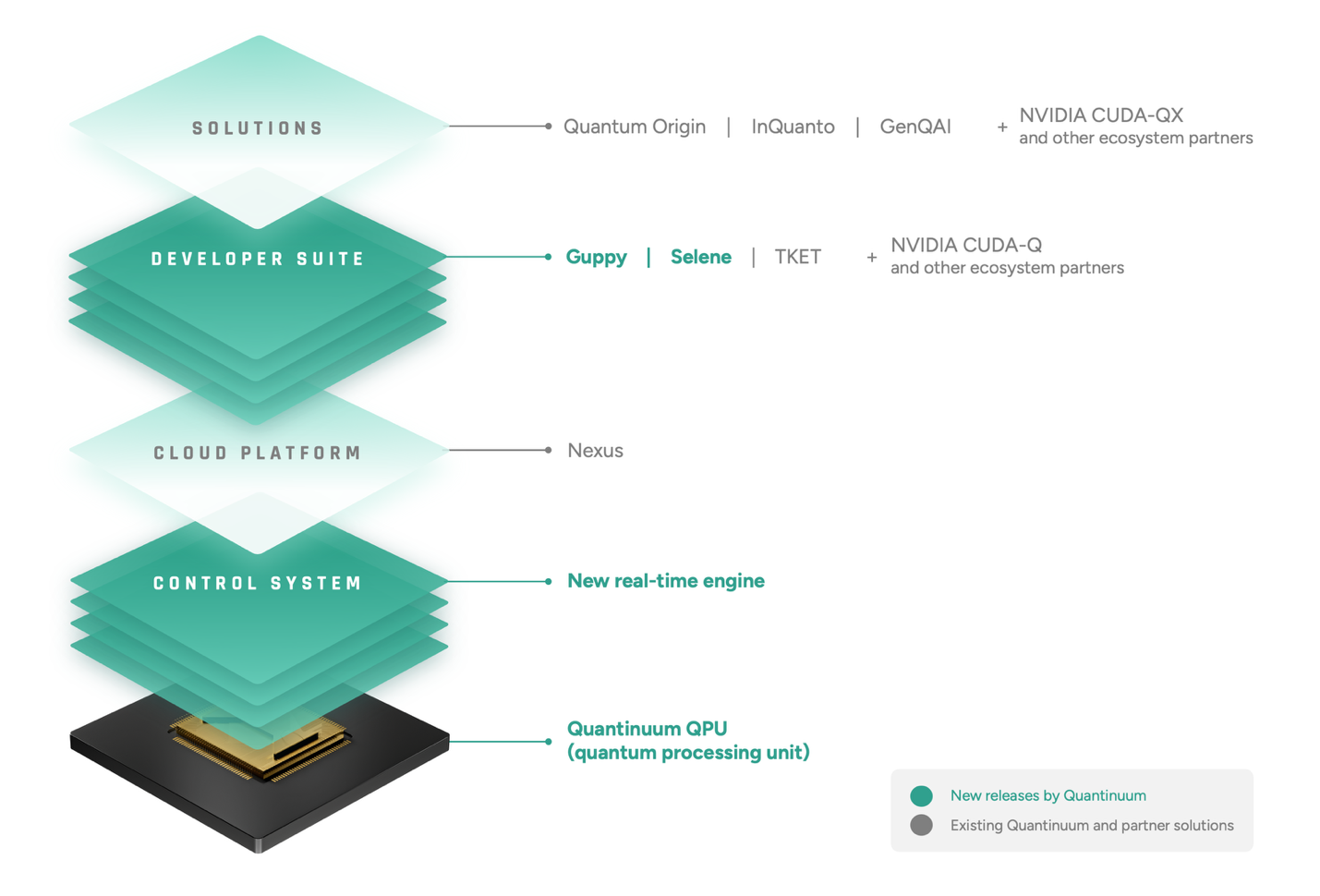
A Python-embedded language for writing real quantum programs — loops, conditionals, mid-circuit measurement, functions. If you can write Python, you can write Guppy. No new syntax to learn.
Guppy Playground is a free in-browser sandbox — write and run Guppy programs with nothing to install.
The high-performance emulator that runs Guppy programs — same behaviour as Quantinuum's real hardware, but free to iterate on. Perfect for the 4-hour hackathon: no hardware queue, no cost, and your circuit ports 1:1 to the real machine later.
Read the stack post ↗Three ways to run a quantum program — pick the one that matches where you are.
Runs the ideal quantum math on a classical computer. Fast for tiny circuits, no noise, no hardware constraints. Good for teaching, not for predicting what a real machine will do.
Also runs on classical hardware, but reproduces the target QPU's gate set, connectivity, timing and noise. Your circuit behaves the same way it will on the real machine — so it ports 1:1 later.
Physical trapped-ion or superconducting device. Real superposition and entanglement, real noise, and a real queue with real per-shot cost. You graduate to it once your circuit is proven on the emulator.
Real quantum hardware time is expensive and queued — the hackathon runs entirely on Selene, Quantinuum's hardware-faithful emulator. Same behaviour as the QPU, no cost, no queue, and your winning circuit ports 1:1 to the real machine after the event.
Bob Coecke & Stefano Gogioso's illustrated introduction — no linear algebra, no bra-ket notation, just diagrams. The fastest way for a non-physicist creative to build real intuition for superposition, entanglement and measurement.
Q-Net is Quantinuum's user community for shared learning, support and collaboration on their full-stack quantum technologies — a natural next step for anyone continuing past the hackathon.
Robotics you control remotely — no lab, no robot, no problem. The Adamo stack lets you build teleoperation apps that put a human in the loop.
The intersection of embodied robotics and AI models that can sense, decide and act in the real world. Instead of generating text or images, the model outputs motor commands, gripper states and trajectories — then learns from the results.
A human operator remotely controls the robot, providing live demonstrations, safety overrides and real-world judgement that pure autonomy still lacks. It is the fastest way to collect high-quality embodied data and to keep people close to the machine while it learns.
Adamo makes teleoperation accessible over the network: connect a robot, stream commands, and keep a human in control — without a private lab or custom hardware.
Our hackathon aligns with national programs driving AI and quantum capability across India.
A Rs. 6,000+ crore mission to build quantum computers, secure communications and a vibrant quantum ecosystem in India.
The national AI initiative fostering research, innovation and responsible AI development across the country.
MeitY's 2023 draft strategy to make India a global robotics leader by 2030 — a National Robotics Mission, moonshot projects across manufacturing, healthcare, agriculture and security, plus skilling and startup support.
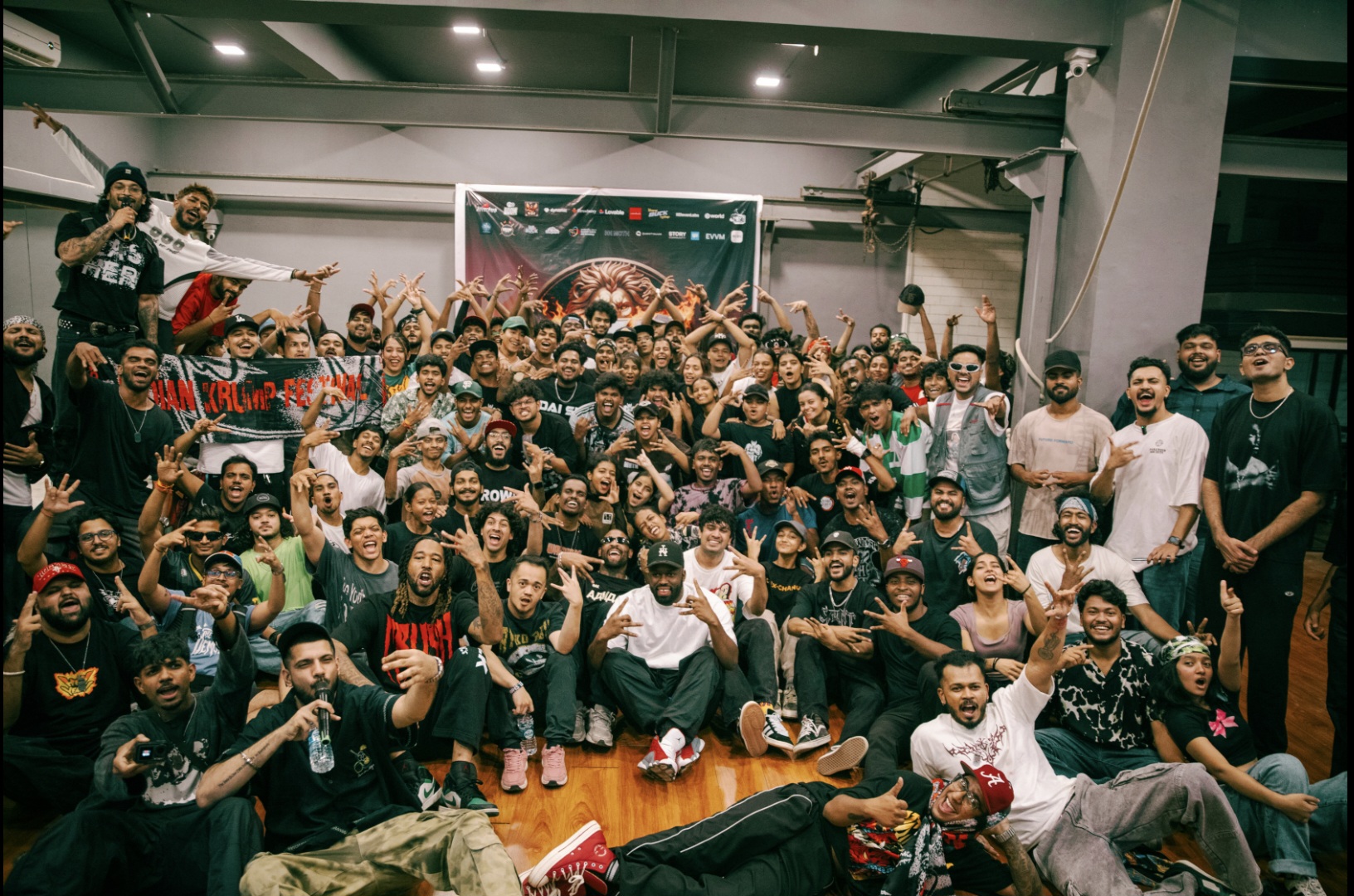
Last year Silicon Krump organised a dance hackathon at IKF 13 (Indian Krump Festival) — dancers, choreographers and technologists shipped together in one weekend.
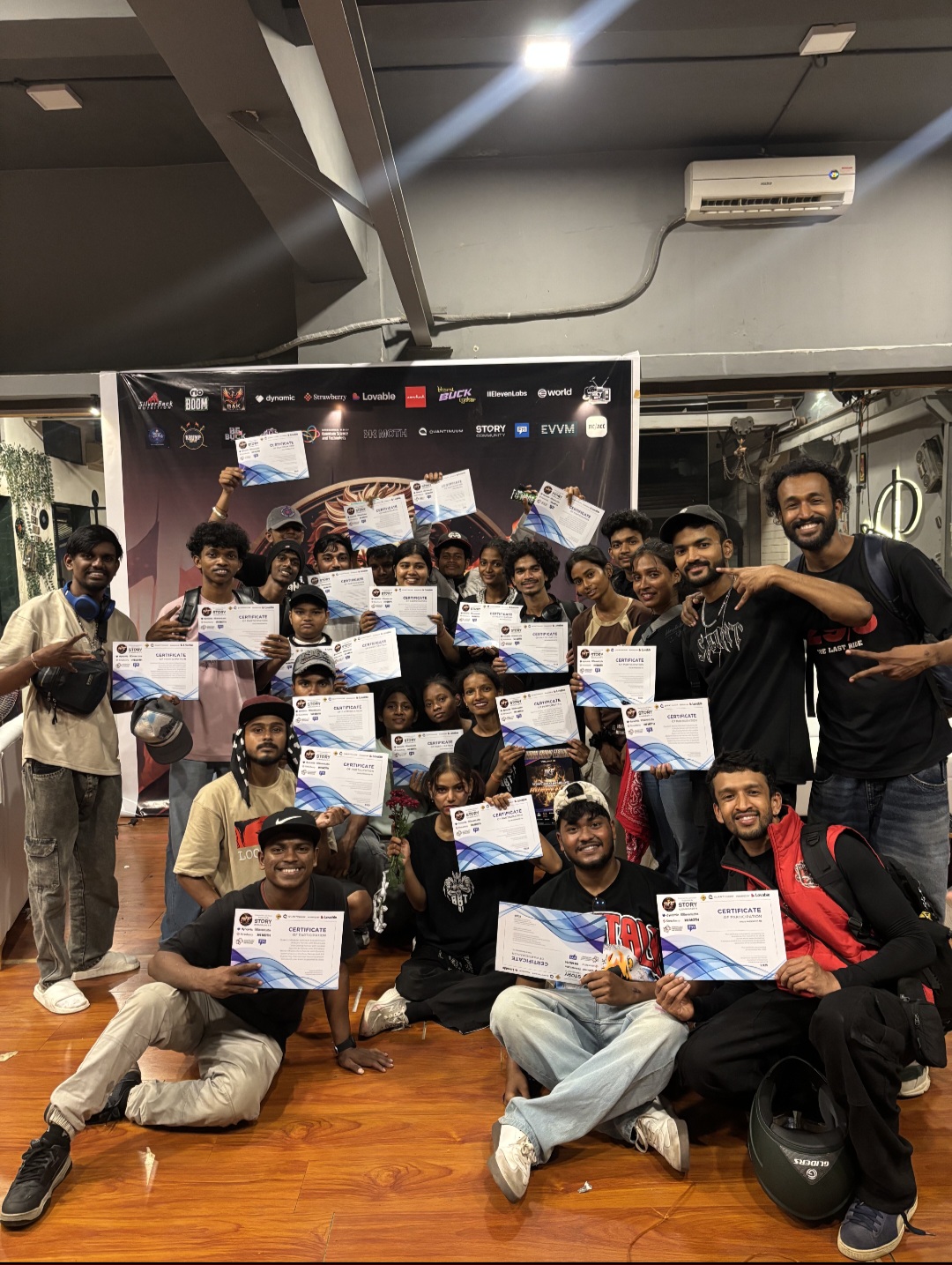



You get 5 Lovable credits at the event — these ready-to-use megaprompt starter apps make every credit count.
Autonomous agents that plan, act and pay.
Ship an on-chain MVP from your phone.
Anything for the arts — not agentic, not blockchain, not quantum. Start from AI Audio, LLM or Payments.
Robotics and teleoperation with the Adamo stack.
A hands-on intro to vibe coding with Lovable — run on the day, right before you start building. No coding experience required.
Built by practitioners who ship — at the intersection of dance, clinical AI, quantum and psychology.

ex-Lovable Ambassador · Co-founder, Inalyn
Past events: Clinical AI & Quantum Hackathon, Clinical Game Jam, OpenClaw Clinical Hackathon.

Winner, Hip Hop India S2 · Organiser, Indian Krump Festival
Brings the dance community on board and grounds the hackathon in real performing-arts culture.

Organising Team · Member, CID (UNESCO) · Lovable Superuser
Delivered a Vibe Coding workshop at university — making AI tooling accessible to non-coders. Member of CID, the International Dance Council and official UNESCO partner.
Projects will be reviewed by a leading voice in music, media and digital entertainment.

Julie Pilat is an award-winning music, media and digital entertainment executive, born and raised in Seattle and currently based in Los Angeles. She's the Chief Growth Officer at FYI.AI. Prior to joining FYI, Julie spent eight years as a key executive at Apple Music. After being recruited by Jimmy Iovine and Dr. Dre to be the first Head of Music at Beats Music in 2013, Julie took on an expanded role following Beats' 2014 acquisition by Apple to launch Beats 1 — the first radio station to broadcast live from L.A., New York and London 24/7 (via Apple Music) to more than 150 countries worldwide.
Julie began her career in radio in her hometown of Seattle at the age of 14, taking on every role from on-air hosting to marketing and promotions at a local hip-hop station — leading to a 16-year career in senior programming roles with iHeartRadio. An industry thought leader and Billboard Women In Music honoree, Julie is sought after for her ability to help established companies and startups alike make a lasting impact on culture, all while tirelessly advocating for artists by cultivating new discovery mechanisms for their music.

Don't take our word for it — here's where the achievements come from.
1st Place — POIG (Precision Oncology Interface Gemma). Team: Arun Nadarasa, Jonas Gottal, Juraj Vladika, Mohamad Ammar Said, Nathan Brahmbhatt, William Gehin.
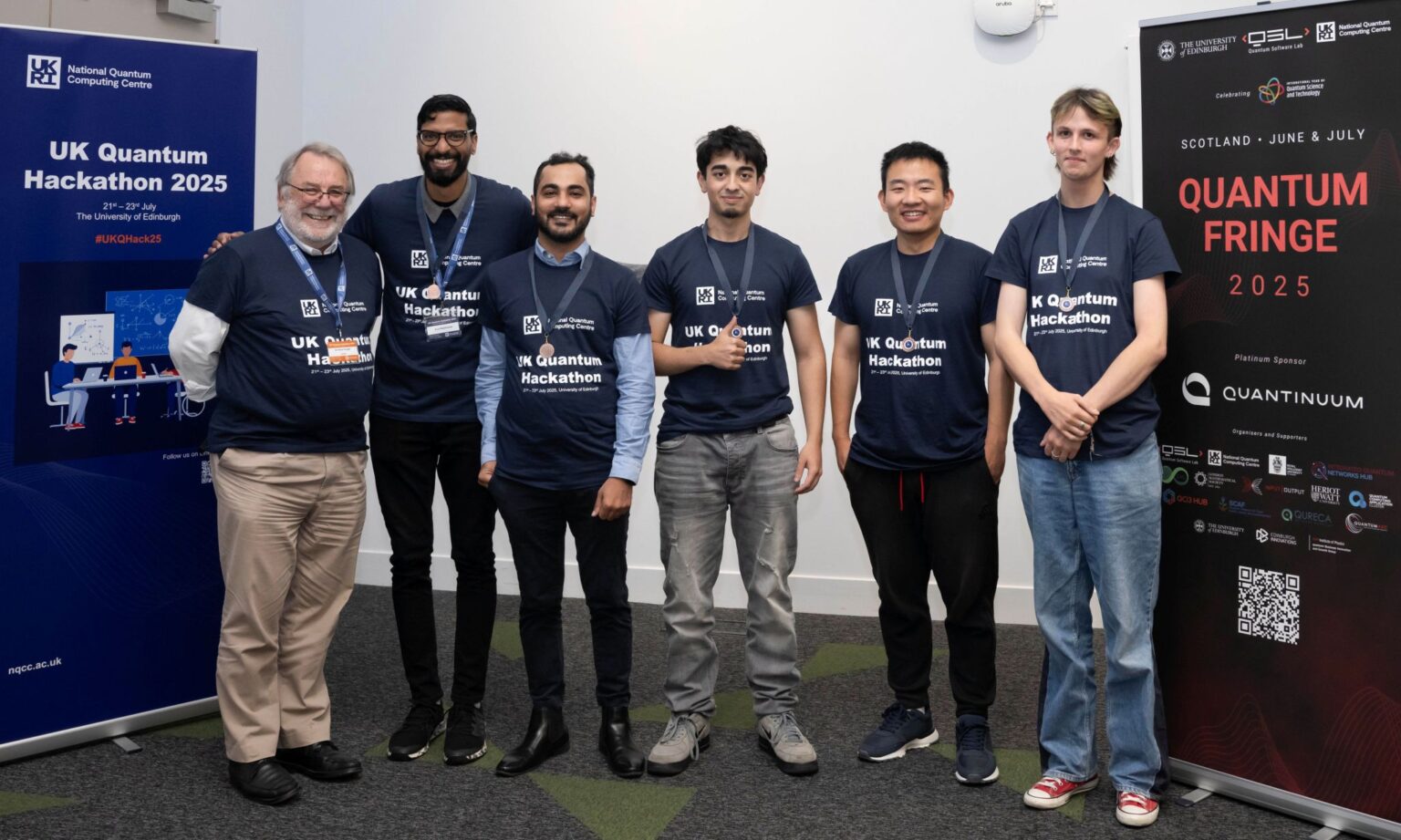
3rd Place — Quantum machine learning for diabetes identification. Team: QuDITS.
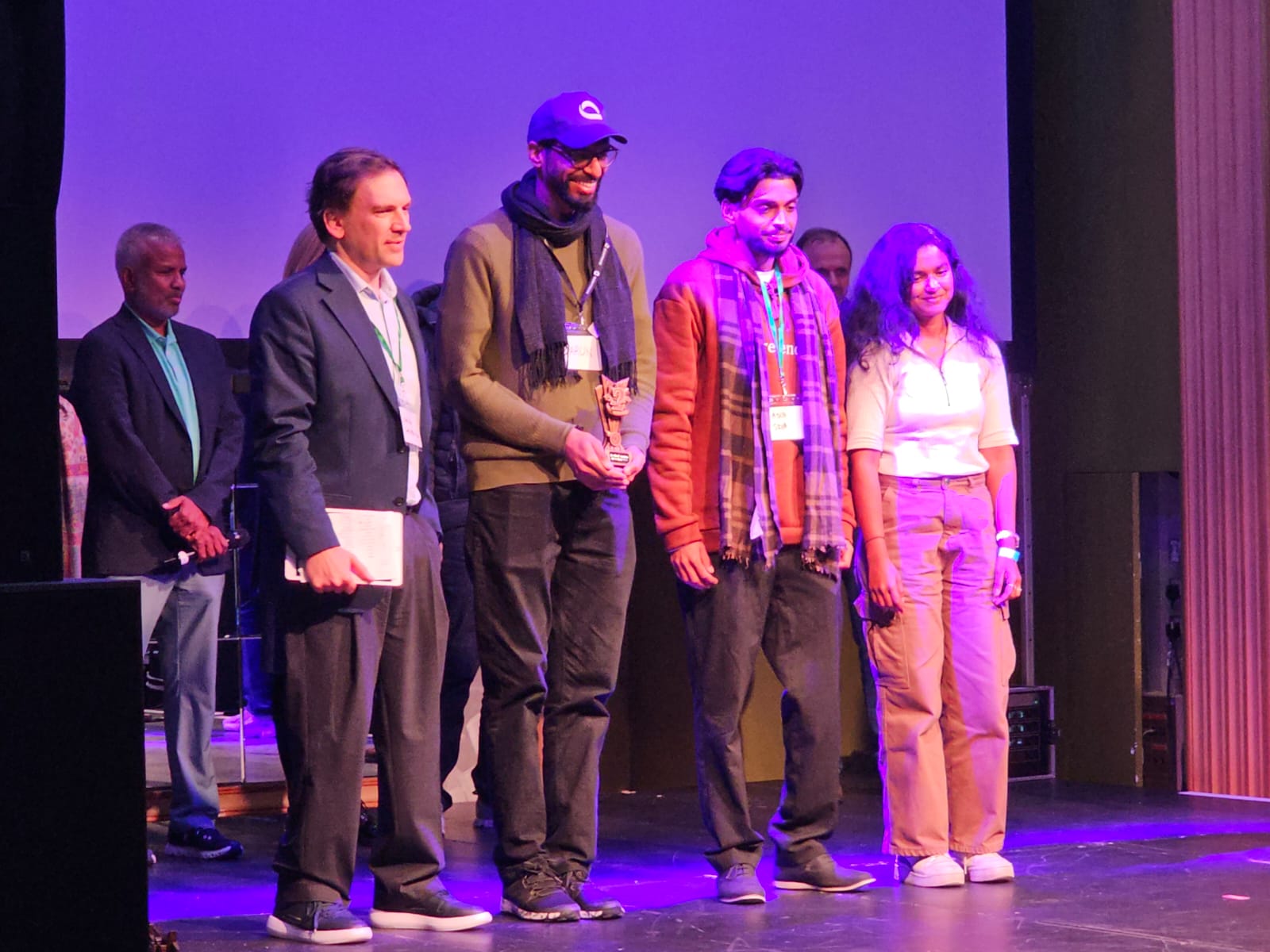
2nd Place — Quantum Krump.
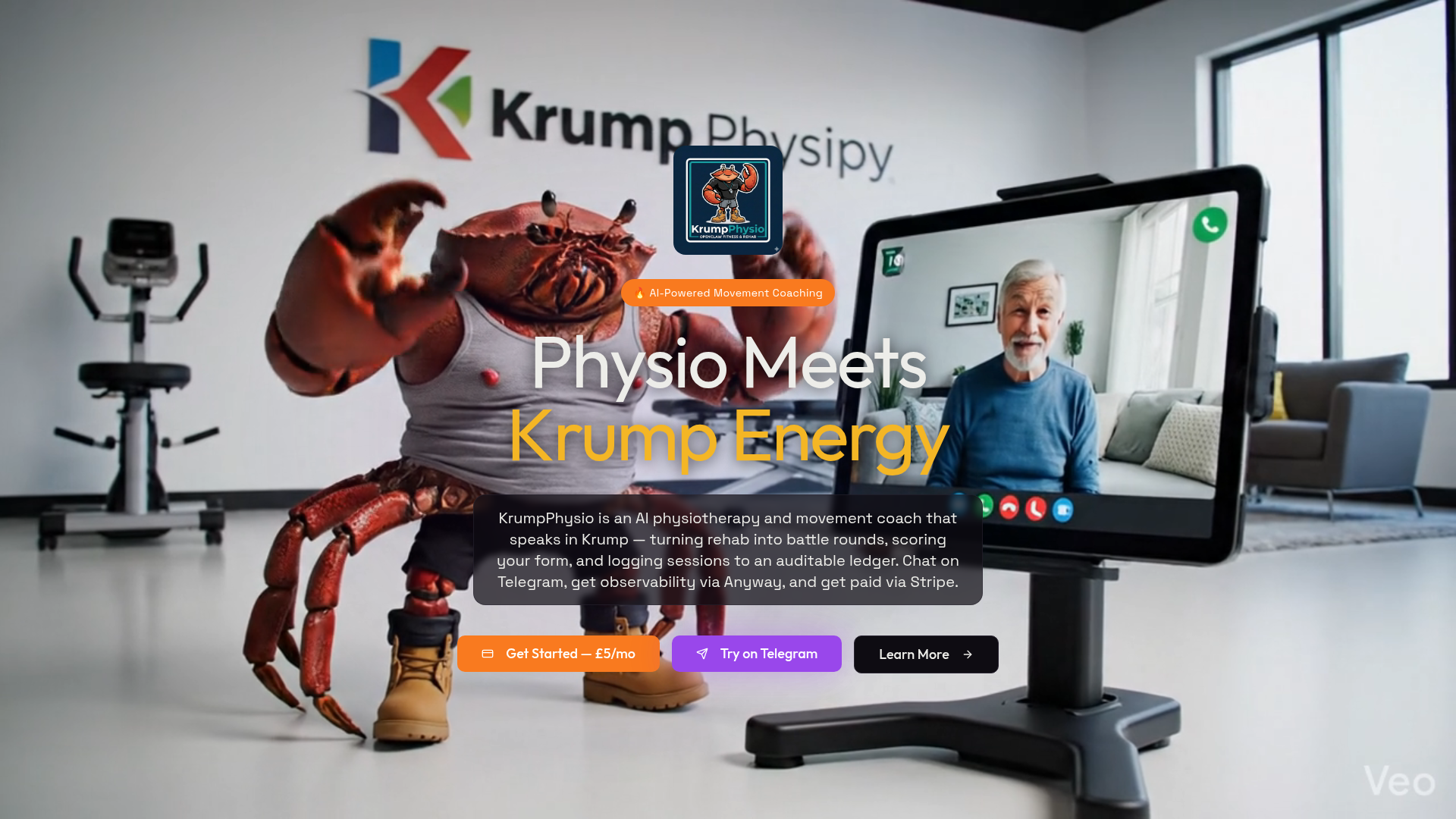
KrumpPhysio — AI physiotherapy & movement coach with Krump-style feedback on an auditable ledger. 3rd / Bronze ($500) in the FLock.io × BGA 'AI Agent for Good' track, and 2nd (tied) in the Anyway track with KrumpBot Fit (ZKP via Sindri + Anyway observability). UK AI Agent Hack × OpenClaw, Imperial College London.

Shubhankar aka Hectik named champion of the dance reality show streaming on Amazon MX Player.
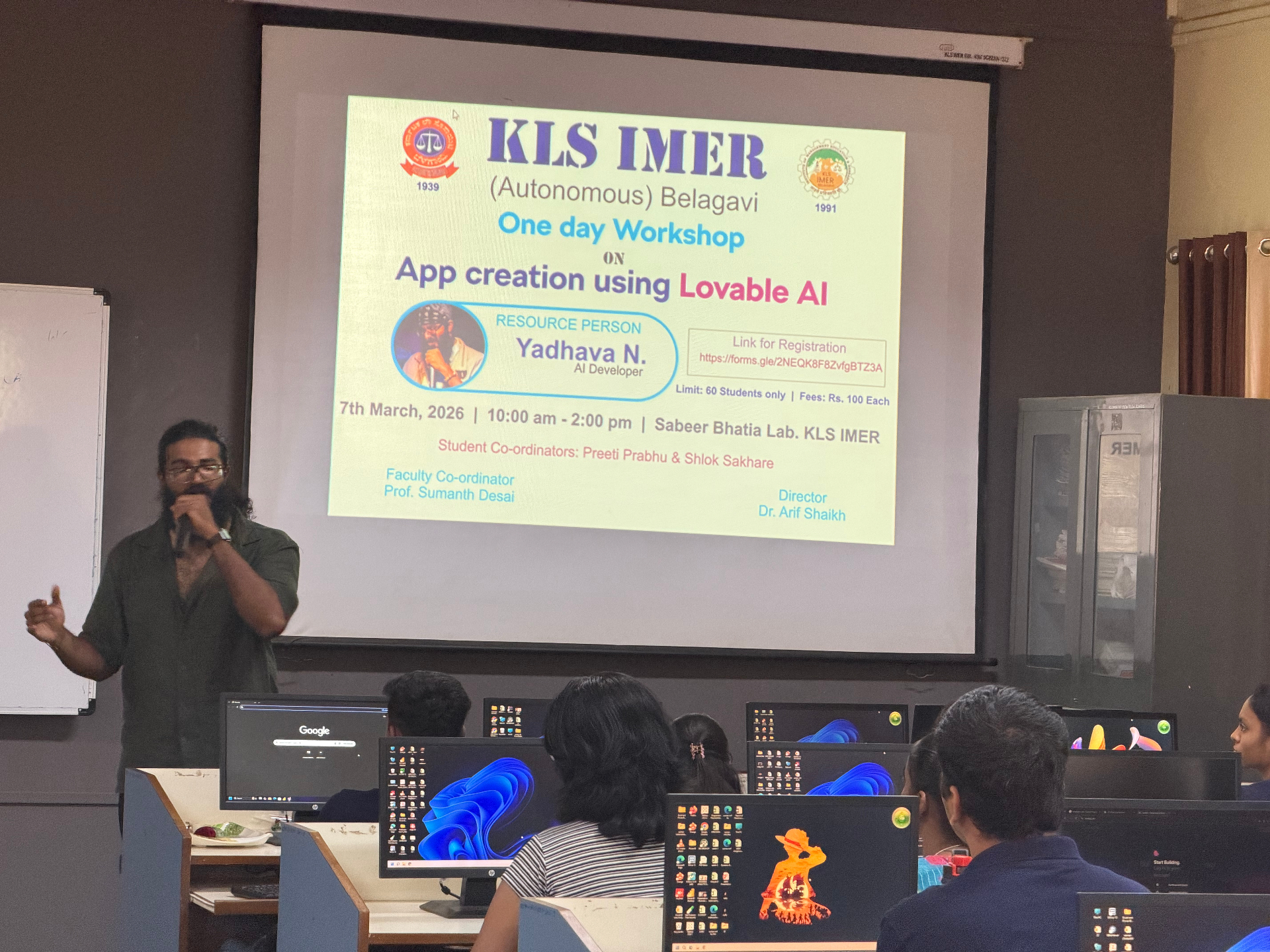
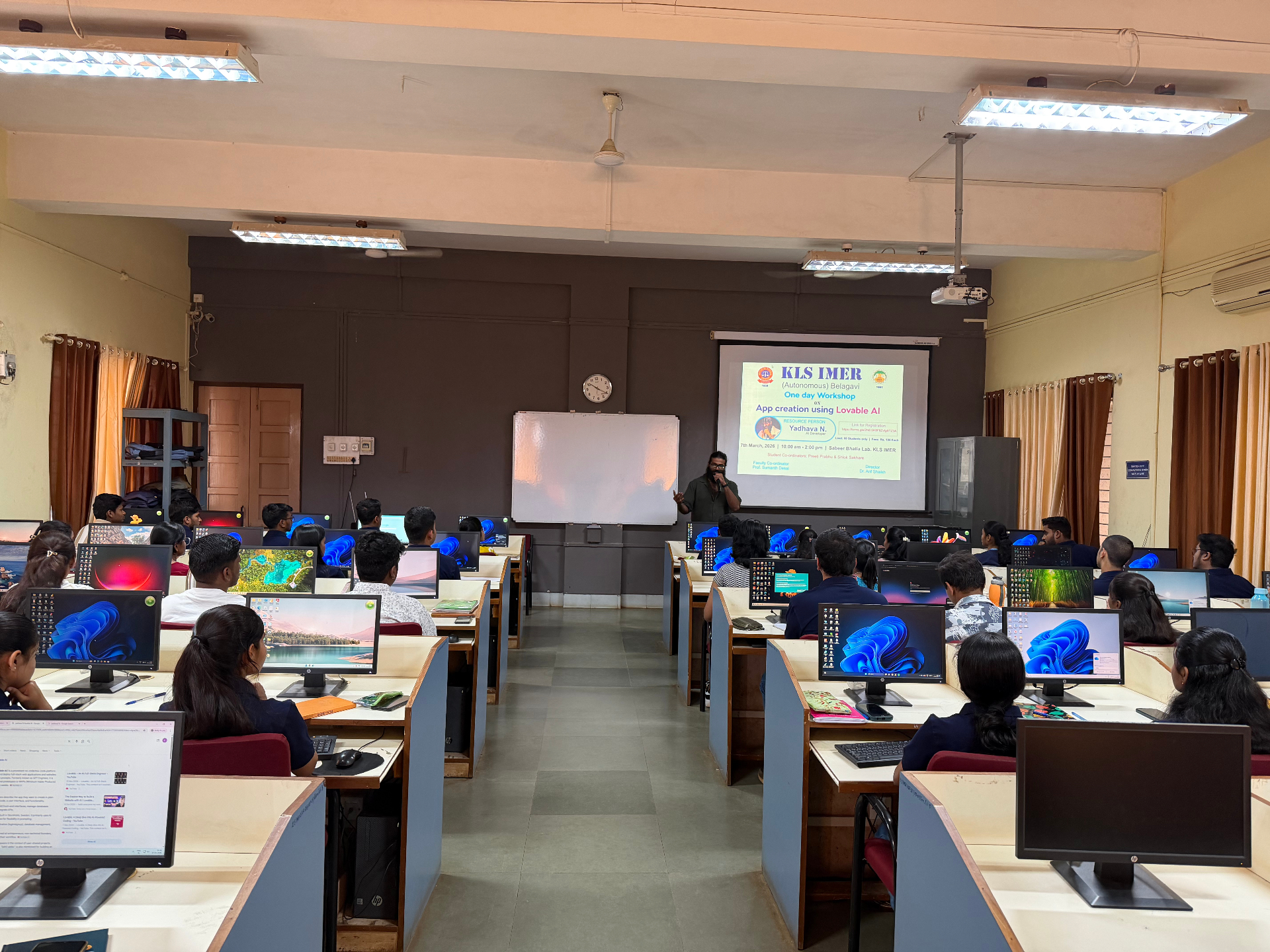
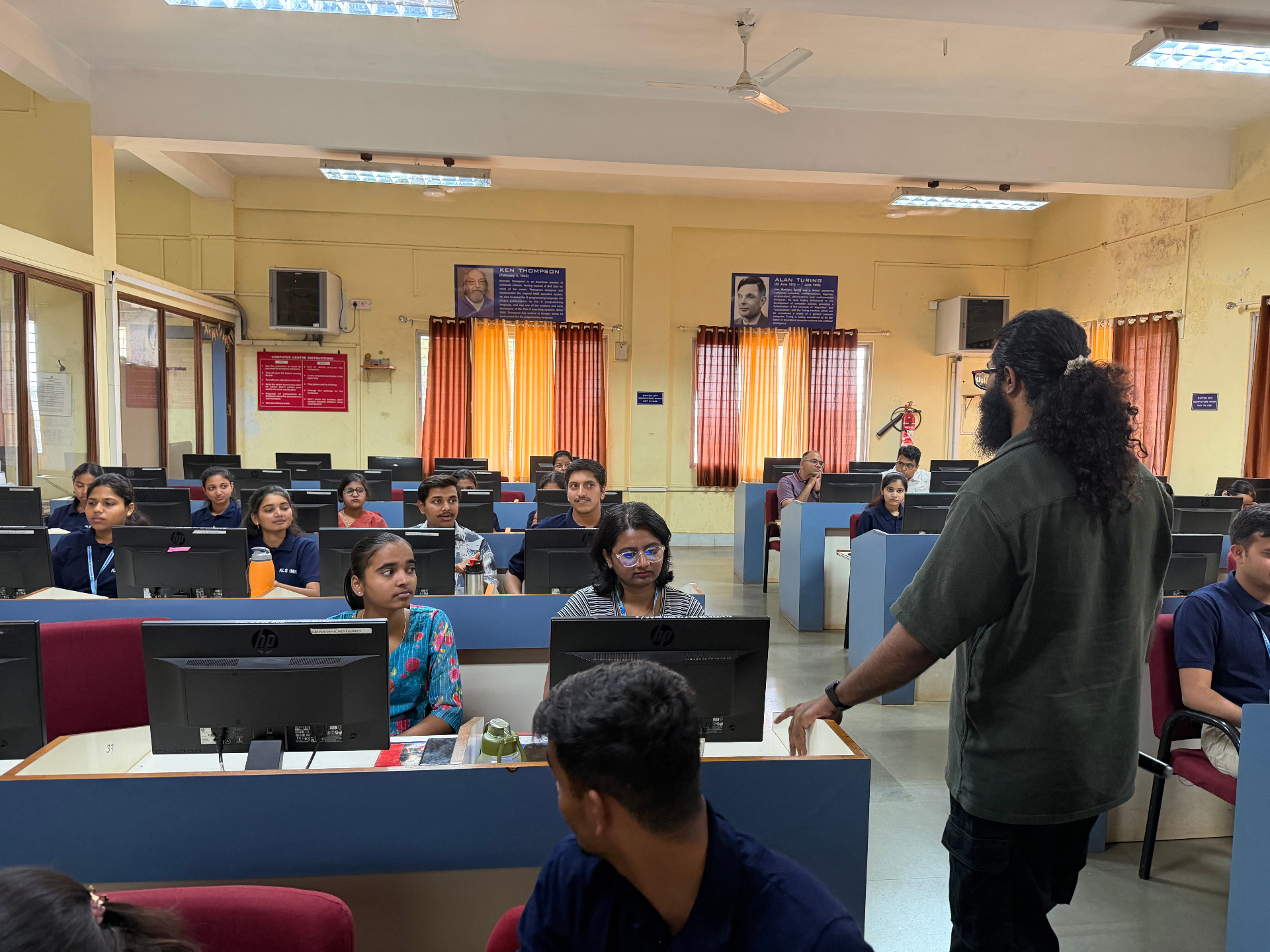
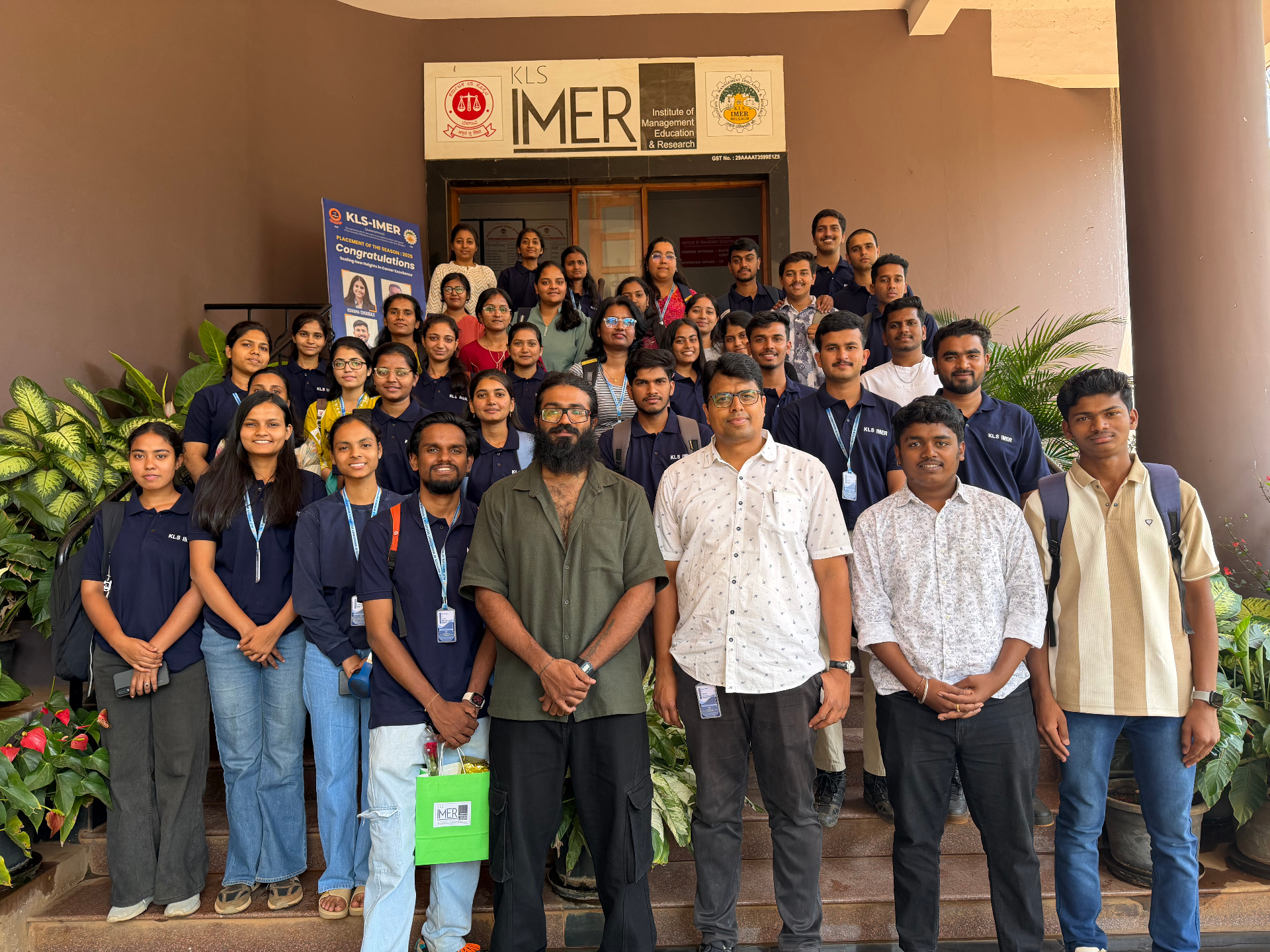
Invited resource person — One day workshop on App creation using Lovable AI for 60 students at the Sabeer Bhatia Lab, KLS IMER (Autonomous), Belagavi.
Quantum Krump — performance
Quantum Krump — concept
Plain-English answers for artists who've never written a line of code.
Free, hands-on learning in frontier tech for an under-served creative audience.
New income streams for artists — NFTs, stablecoin payments, AI-augmented practice.
Bridging India's creative industries with AI, quantum and Web3 infrastructure.
Mobile-only, free entry — no laptop, no fees, no prior coding required.
Free seats are limited. Tell us a bit about you and we'll confirm.
A flagship moment where global creative-industry brands meet next-generation Indian talent — at the intersection of arts, AI, quantum and Web3.